
Bexar County Warrant Issuance
Texas Code of Criminal Procedure Chapter 15 frames an arrest warrant simply: a magistrate's written order telling an officer to bring the accused into custody. A complaint or sworn affidavit supplies the facts the magistrate weighs for probable cause. The document itself carries the person's name or description, the offense, and the magistrate's identifying information. It is a court order, nothing more, and not a full account of the case evidence. Bexar County runs ten Criminal District Courts for felonies, with magistrate and specialty courts handling related stages. No single roster covers every Bexar County arrest warrant. For a case already filed, search the Justice Portal and confirm the issuing court before planning what to do next.
How Arrest Warrants Work in Bexar County
Every Bexar County arrest warrant starts the same way: a complaint or sworn affidavit, then a judge or magistrate's probable-cause review. Texas rules fix the form and required details. Article 15.26, as the Texas Judicial Branch identifies it, makes an arrest warrant and its supporting affidavit public, subject to other confidentiality rules. Where the case lands depends on the charge. Felonies run through the Criminal District Courts and the District Clerk. A city arrest may touch a municipal court, a magistrate, the Sheriff, or city police at different stages. So check where the case actually sits rather than assuming one county list holds every arrest record.
Bexar County Arrest Warrant Contents
The order and its supporting affidavit do different jobs. The order tells an officer to arrest. The affidavit states the sworn facts offered as probable cause, and a warrant may tie to a complaint, a later indictment, or a case filing, so the record number and court location help you link the papers together. The county portal's guide shows a format like YYCR######-W### as an example only, not a live warrant number. For a copy, figure out the likely court and ask its clerk what is public. The District Clerk holds felony filings; the Bexar County records directory names that office as custodian for them. BCSO records requests can cover an arrest or incident report, though investigative details and personal identifiers may be redacted under the Texas Public Information Act. One caution: a filed document can help you find the court and cause number, but it does not establish whether an arrest warrant is still active.
Inside a Bexar County Arrest Warrant
A warrant record usually points to the issuing magistrate, the offense, and the case. Bexar County's public tools expose different depths of detail. The Justice Portal may show a warrant number and basic information, but the detailed warrant workflow can require justice-partner access. When you request an arrest report from the Sheriff, give the case or report number if you have it.
| Warrant Number | YYCR######-W### is the format shown in the portal guide, not an actual person’s record. |
|---|---|
| Named Subject | Name or description as written on the order; confirm with the case number. |
| Charge / Offense | Offense stated in the warrant and complaint. |
| Issuing Judge / Court | Magistrate or judge who signed it and the court holding the case. |
| Bond / Bail Set | Amount and type must be confirmed through the current court record. |
| Date Issued | Issue date helps distinguish the document from later case events. |
Bexar County Arrest Warrant Service
Serving warrants in Bexar County is shared work. The Sheriff's Judicial Services Division and Criminal Warrant Section coordinate county warrant efforts. Constables handle precinct matters, and municipal police serve city process within their role. Whatever hands deliver the paperwork, the issuing court stays responsible for case action. BCSO's phone menu sorts calls by need: attorney or bondsman lines, extradition or detainer questions, and law-enforcement warrant information. Federal orders follow a separate chain entirely. The Lone Star Fugitive Task Force pairs federal, state, and local partners, though its announcements are not a self-search database. An out-of-county or out-of-state order does not go through the Bexar satellite intake office; the county directs those matters to Justice Intake and Assessment.
How Bexar County Arrest Warrants Are Served
When an officer executes an arrest warrant, custody, booking, and magistration follow. Booking records the arrest and links the case, warrant, and bond information together. Where the arrest happens and the type of offense decide which intake location handles the person. City and county officials may cooperate, but a city citation stays separate from a county felony. For eligible local warrants, the county's Booking and Release Satellite Office lists a limited processing route. It excludes violent and sexual offenses, crimes against children, and out-of-county or out-of-state warrants. Those cases go to Justice Intake and Assessment at 200 N. Comal. Confirm eligibility before you go. The page lists weekday windows, required identification, two references, and bond paperwork where applicable.
Federal Warrants Need a Separate Search
A federal warrant may be sealed, unserved, or simply absent from a public docket result. PACER gives federal docket access, not a warrant-clearance certificate. CourtListener and RECAP offer a free alternative, but coverage is incomplete. For a known federal case, call the Western District of Texas clerk or your counsel; the U.S. Marshals San Antonio office handles federal warrant enforcement. The Western District of Texas official site identifies the court and its San Antonio clerk contact.
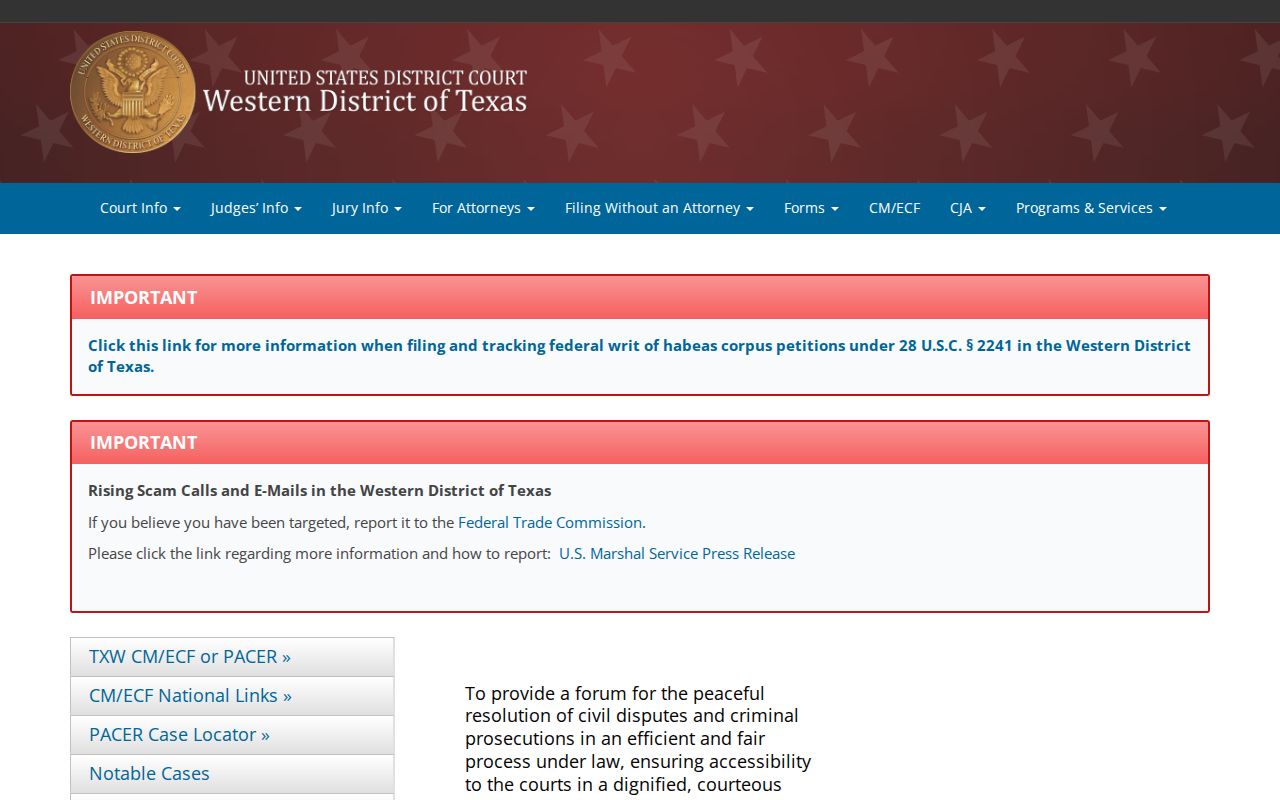
The clerk's docket source sits apart from Bexar County's public active-felony map. PACER publishes its current federal docket pricing and fee details.
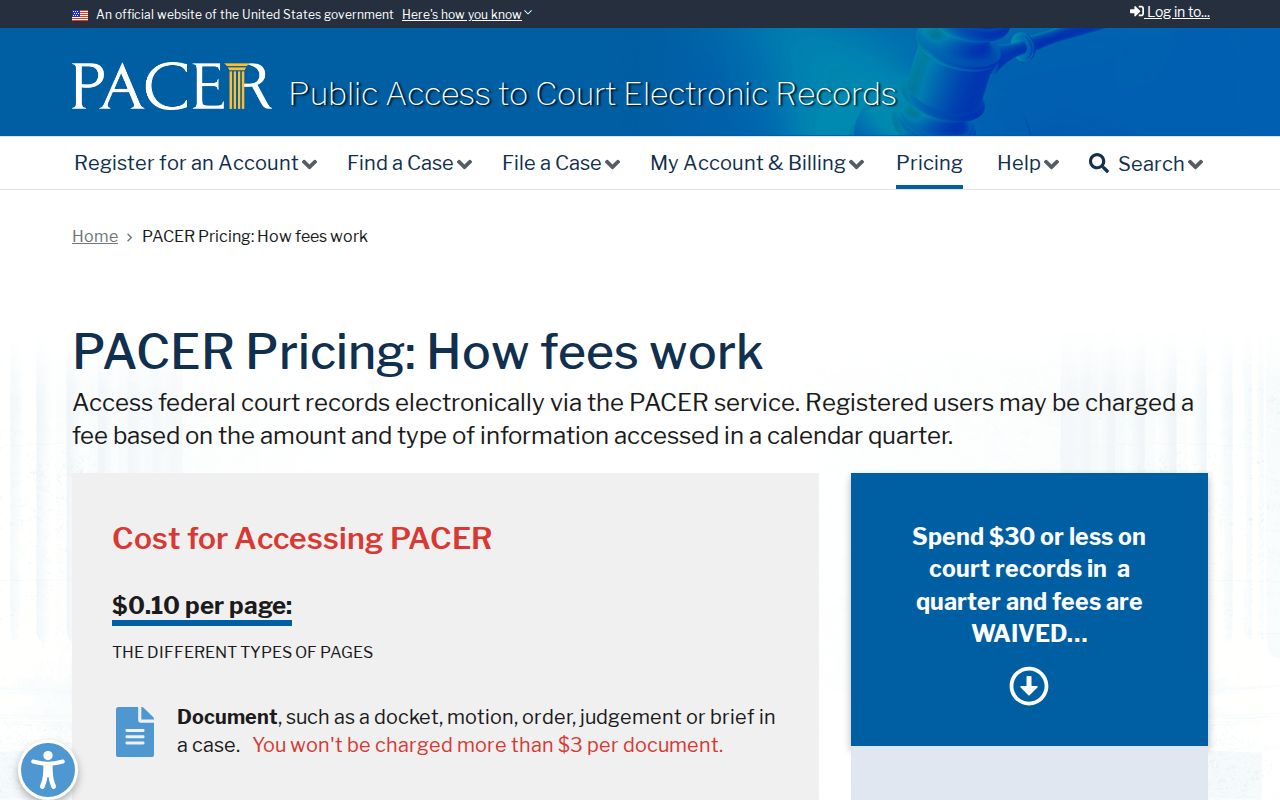
Check current pricing before opening documents because federal access fees can change.
Arrest Warrants, Summonses, and Bench Warrants
Three different orders get lumped together as warrants. An arrest warrant authorizes custody after a judge reviews probable cause. A summons just tells you to show up. A bench warrant usually comes later, after a missed appearance or a broken instruction in a case already open. Before you act, get the exact order and the court that issued it in Bexar County. For missed settings, see Bexar County bench warrant steps.
| Feature | Arrest Warrant | Summons | Bench Warrant |
|---|---|---|---|
| What It Orders | Take the accused into custody | Appear on a stated date | Custody for a missed court duty |
| Basis | Complaint and probable cause | Court process or charge | Failure to appear or comply |
| Who Issues It | Judge or magistrate | Court or authorized officer | Judge in the existing case |
| How to Respond | Confirm status, seek counsel, plan bond or appearance | Attend as directed | Contact issuing court about recall or reset |
San Antonio Arrest Processing
San Antonio runs its arrest processing out of 401 S. Frio, but the two offices there keep different clocks. The Municipal Court clerk's counter works weekday hours. The Arrestee Processing Center never closes. Its number is 210-207-7532. Bexar County magistrate and jail contacts sit elsewhere, so a city case should start on the city warrant page, with one question asked early: where will bond be set? County cases work differently. Check with BCSO before driving to the satellite office. The county's warrants page routes phone calls, and its intake instructions list who qualifies and which bond instruments the office takes. A city or federal case does not follow that route.
Handling an Arrest Warrant in Your Name
Start by confirming the record really is yours and noting which court issued it. For Bexar County matters, the Sheriff's Criminal Warrant Section can tell you county warrant status. Then talk to a Texas attorney about a voluntary appearance, bond, or a motion to recall or quash. A lawyer can also tell you whether your case qualifies for satellite processing or must go through Justice Intake. Only gather your ID, court papers, and bond paperwork after that route is confirmed. Keep every receipt after payment or court action, and ask the court itself to confirm the warrant was recalled; paying or appearing does not close the underlying case. Bexar County offers no countywide clearance certificate. If the case also triggered a DPS/OmniBase hold, ask the issuing court when compliance gets reported, then give the state update several business days. The Booking and Release Satellite Office at 100 Dolorosa, basement B10.2, handles only the local categories the county lists. Violent, sexual, child-related, out-of-county, and out-of-state warrants go to the Justice Intake and Assessment Annex at 200 N. Comal instead. Verify the current route before you travel, since some arrests carry different intake and bond instructions.
A magistrate sets bond in Bexar County. No public search can raise, lower, or fix that amount. Ask whether your release route accepts a surety bond, cashier's check, or money order, and keep all intake papers with the cause number handy. Texas law, Article 15.26, treats an executed arrest warrant and its supporting affidavit as public records, though confidentiality rules and exceptions apply. An unexecuted warrant, sealed filing, juvenile record, or protected investigative detail may sit behind a different access rule entirely. Want a copy? Name the issuing court and request that exact document; a portal summary rarely contains the affidavit.
Important: Contact a lawyer and the issuing court before arranging an appearance. Do not rely on a public search result alone to decide bond or intake.